
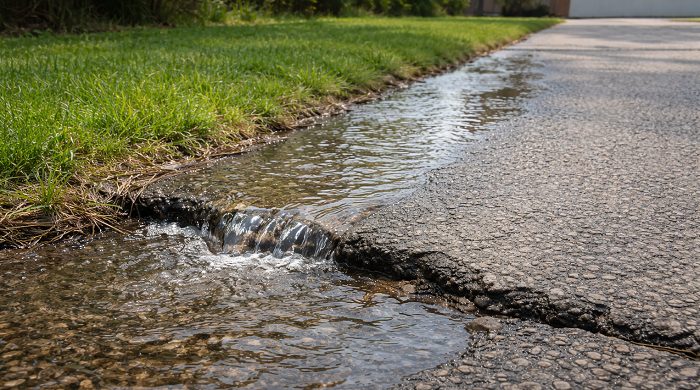
A water leak under your driveway can quickly destroy your driveway, garage, and even the foundation of your home.
At Betz Works, we spent years on California’s Central Coast repairing driveways, and in this guide, we’ll walk you through the causes, warning signs, and what to do if you’re dealing with this situation.
Key Takeaways
- Water damage under your driveway can be caused by damaged water lines, poor installation, tree root intrusion, excessive water damage, or improper drainage.
- Signs of a water-damaged driveway include unexplained wet spots, soft or sinking areas, cracks spreading quickly, potholes, a sudden spike in your water bills, and musty odors near the driveway.
- If you find a water leak under your driveway, try to stop the leak, document the damage, and call Betz Works for driveway repair services if you’re in the Santa Cruz or Monterey County areas: (831) 400-8466
Why is Water Leaking Under My Driveway?
Broken or Aging Water Lines
Depending on the layout of your plumbing system, you may have water lines under your driveway.
If one of those lines suffers damage, water will start leaking out under the asphalt.
Poor Installation of Underground Plumbing
Sometimes, damaged water lines are the result of installation errors.
When pipes aren’t attached properly or the ground is not prepared correctly, pipes may become disconnected, allowing water to flow from them and into your soil.
Tree Root Intrusion
Tree roots naturally seek out moisture under the soil.
If there’s any sort of condensation forming around your water lines, roots will push toward those lines, eventually penetrating them.
When roots break into the water lines, the water inside starts pouring out, creating a leak under your driveway.
Soil Shifting or Erosion
When soil shifts or erodes, the water lines in that soil move, too.
Depending on the magnitude of the movement, this can result in water lines becoming disconnected or damaged.
High Water Pressure
Excessive water pressure has the potential to wreak havoc on your plumbing system.
Water pressure above 80 PSI is generally considered excessive and can damage pipes, joints, and even the appliances in your home.
Improper Drainage
Improper grading under your driveway and insufficient drainage around it can cause water to pool under it since it has nowhere else to go.
Signs Water is Getting Under Your Pavement
1. Unexplained Wet Spots
Since you can’t see the waterlines under your driveway, you’ll have to look for signs of water damage from the surface.
Wet spots inexplicably forming on and around the asphalt are a great indicator.
When the soil under your driveway becomes saturated, that moisture will eventually move to the surface.
2. Sinking or Soft Areas
When you walk on or around your driveway, pay careful attention to any sinking or soft spots.
When your foot sinks into the ground, it’s probably because there’s a water leak beneath the surface.
3. Cracks Spreading Quickly
While hairline cracks forming in your driveway after a few years is normal, those cracks should be small and relatively confined.
One of the leading causes of cracks is excessive moisture in the soil under your driveway, so if you see cracks spreading quickly across the asphalt, you probably have a water leak.
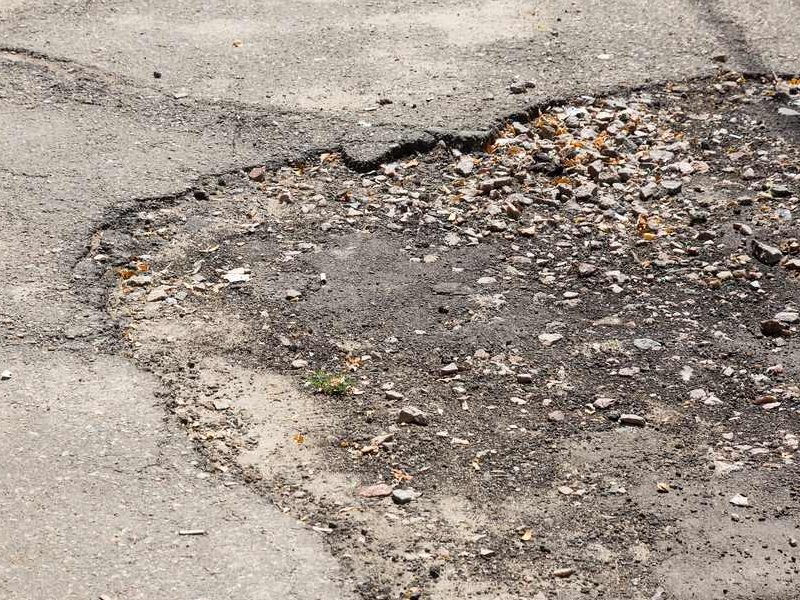
4. Potholes Forming
Potholes are another common sign of water damage beneath a driveway.
When the soil becomes saturated and starts to shift and sink, the asphalt on the surface will naturally start to drop.
5. Sudden Spike in Water Bill
One sign of a hidden water leak doesn’t require you to go outside at all. Instead, keep an eye on your monthly water bills.
If there’s a sudden increase that you can’t explain, you’re probably dealing with a water leak somewhere.
The presence of any of these other signs means that it’s probably under your driveway.
6. Mold or Mildew Smell Near Driveway
While it’s not always easy to detect a musty odor outdoors, it is possible.
The smell of mold or mildew around your driveway means that you’re probably dealing with a damaged water line that’s pouring water into the soil under your driveway.
Why You Shouldn’t Ignore It
Soil Erosion Beneath Asphalt
You should never ignore a suspected water leak under your driveway.
If the soil beneath the asphalt starts to erode, you’ll quickly develop problems with the driveway itself, including sinkholes and other problems that can make it unsafe for you to drive or park on your property.
Structural Damage
Saturated, sinking, and shifting soil can wreak havoc on patios, garages, and other structures around your property.
While the problem may start under your driveway, the impacts can quickly expand to other areas.
Higher Water Bills
Ignoring a water leak won’t just cost you in repairs. It can also lead to permanently higher water bills every month.
Foundation Risk
Water leaking under your driveway can threaten the foundation of your home or garage.
The problem becomes even more worrisome if those structures are close to the driveway and the source of the leak.
Foundation issues can cost thousands of dollars to fix and may even make your home uninhabitable if not resolved in time.
Costlier Repairs Later
When you address problems quickly, you don’t have to pay as much for extensive repairs.
What To Do If You Suspect a Leak
1. Avoid Parking on the Driveway
If your driveway has water damage under it, it cannot safely support the weight of a vehicle. Avoid parking on it until the driveway repair is completed.
2. Turn Off the Water
Turn off the main water supply to prevent the damage from getting any worse before you have it professionally inspected and repaired.
Depending on the layout of your plumbing system, you may be able to turn off only the outside water.
Once the water is off, check your water meter. If the numbers are still moving, it indicates water is still flowing through the lines, and there may be a pipe leak.
If the numbers aren’t moving, there is likely no leak, and you can safely turn the water back on.
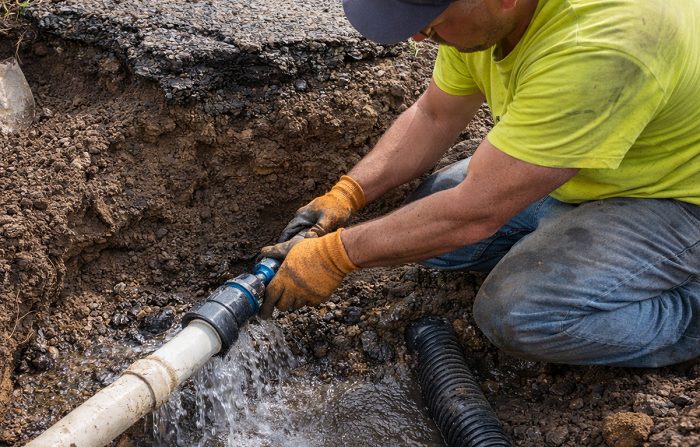
3. Call a Professional to Inspect and Fix the Leak
If you suspect a leaking pipe, call a plumber or an underground utilities contractor like Betz Works right away.
Whether it’s a broken pipe or a drainage issue, our team can determine the cause and help you decide how to proceed.
We can repair damaged water lines, improve drainage, address the erosion, and more.
4. Inspect the Driveway for Damage
Inspect your driveway for signs of damage, including large cracks, crumbling edges,
and sinkholes.
If you find any issues, take clear pictures of them, as documenting this damage can help when you file a claim with your homeowner’s insurance.
Insurance may cover damage caused by a sudden, accidental leak under the driveway.
Depending on the specifics of your policy, flood insurance may cover the damage if it was caused by a weather event.
5. Call for Professional Driveway Repair
Simply patching water-damaged asphalt won’t solve the issue. The damaged areas must be excavated and rebuilt.
Betz Works handles all of those steps, in addition to correcting drainage to prevent future issues. We can also restore the asphalt with patching, resurfacing, or a full driveway replacement.
Call Us When You Need Driveway Repairs
If you suspect a leak under your driveway, don’t wait until the damage gets worse.
Serving Santa Cruz and Monterey Counties and the South Bay, our team at Betz Works will locate the source of the leak, assess the damage, and repair it before it turns into a major expense.
Call us today to schedule driveway repairs at 831-400-8466.
FAQs
How much does it cost to fix a water leak under a driveway?
The cost to repair a water leak under your driveway depends on several factors, including the severity of the leak, how widespread the damage is, and how much material has to be replaced.
The longer you wait, the costlier repairs may become.
Who is responsible for water leaks under a driveway?
Generally, the owner of a driveway is responsible for fixing a water leak under it.
For single-family homes, this would be the homeowner. If you’re renting a home, the landlord assumes responsibility.
How can I prevent water from leaking under my driveway?
You can take some simple steps to prevent water from leaking under your driveway.
Start by ensuring that the area around your driveway can drain properly by making sure that ditches and drains are obstruction-free.
You should also seal cracks in the asphalt to help protect the waterlines that go under the asphalt.