
310A Kennedy Dr Capitola, CA 95010
Phone: 831-400-8466
Email: allan@betzworks.us
License Number: 1098361
Phone: 831-400-8466
Email: allan@betzworks.us
License Number: 1098361

Are you noticing:
If so, you need to take action right away. When it comes to asphalt damage, what can start as a simple, affordable fix can turn into a full driveway replacement if not dealt with promptly.
At Betz Works, we help homeowners and businesses across Santa Cruz, Monterey, and Santa Clara Counties address all sorts of driveway issues from minor repairs to complete replacement – and we’ve been doing this for decades.
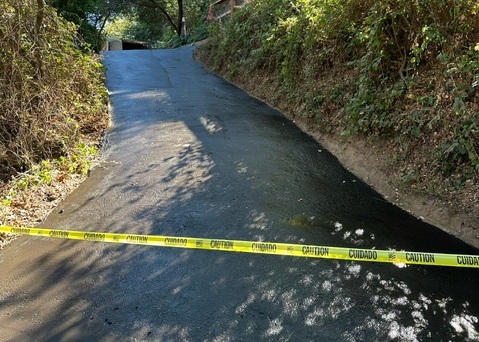
We fill the crack with hot or cold filler to stop the water from reaching the base. Best for cracks that haven’t started branching.
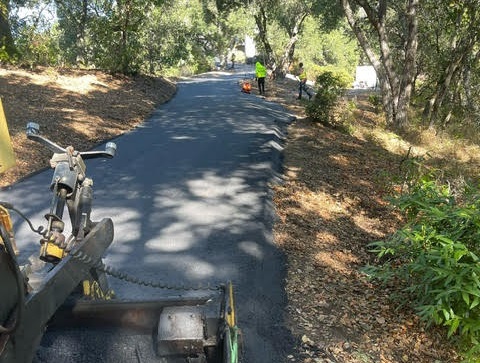
We cut the damaged surface square, clean it of debris, and fill it with hot mix asphalt. Most suitable for isolated broken asphalt areas.
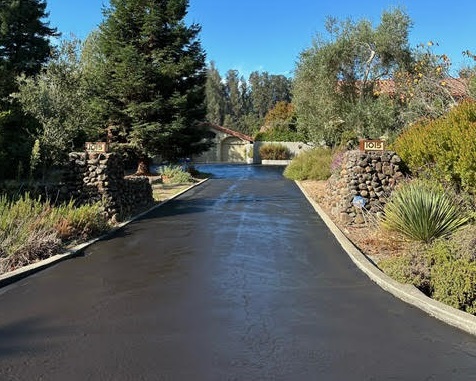
We apply a new hot mix asphalt layer across the existing driveway. Works when the base is stable but has a degraded top layer.
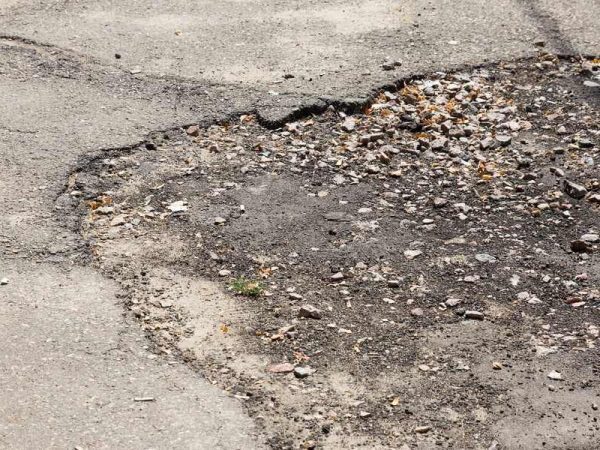
We dig beneath the sinkhole, compact the soil, fill the sinkhole, and repave the area. Best for soft spots and a sinking driveway.
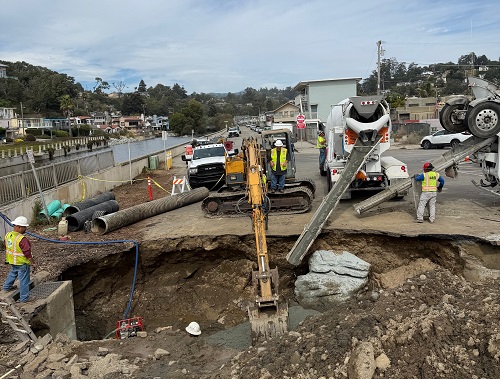
After Central Coast storms, we repair washed-out driveways, seal storm-related cracks, fix drainage failures, and stabilize the soil base before repaving.
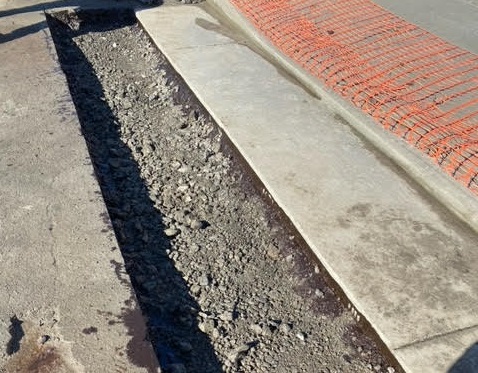
We remove deteriorated pavement along the edge, compact the underlying base, and install a tapered hot-mix asphalt patch with sealed joints to prevent water intrusion.

We visit your property and examine your driveway.
We look for problem areas like cracks, potholes, and sinkholes, take measurements, and devise a repair plan.
Based on the results, we give you a detailed, free estimate.
This ensures pricing transparency and makes budgeting your driveway repair job easy.
As always, we’re happy to answer any questions you may have about your estimate.
Once you’ve approved the estimate, we’ll schedule the job at a time that works for you.
Most driveway repair jobs take a few days.
Next, we’ll focus on repairing the damage in your driveway. The way we do this depends on the nature of the damage.
For cracks, we start by cleaning the area with brooms and blowers. We install cold or hot pour crack filler, depending on the driveway we’re working on. We fill all gaps over a quarter inch wide to prevent further damage to the driveway.
If we’re repairing potholes, we use a saw to cut the pothole and square up the edges. We remove loose debris and patch the hole with hot-mix pot asphalt.
Usually, we complete our pothole repair and crack-filling jobs within 24 hours.
We check in after the repair to evaluate the results and ensure satisfaction. We’re done until you’re 100% happy with the work!
Oil drips, tree roots, fluctuating temperatures, and years of daily use all wear down residential asphalt driveways over time.
We provide repair solutions for single-family homes, gated communities, HOA neighborhoods, and rural or hillside properties throughout Santa Cruz, Monterey, and Santa Clara counties.
Commercial driveways take way more beating than residential ones, as they deal with continuous vehicle traffic and heavier loads, which is why they need long-lasting solutions with minimal disruption to their operations.
We provide driveway repair services for all kinds of commercial properties, ranging from apartment communities and retail centers to municipal, sports, and industrial facilities.

Betz Works serves homeowners and businesses across the Central Coast and South Bay. If you’re in any of these areas, we’re ready to help.
Capitola · Santa Cruz · Scotts Valley · Watsonville · Aptos · Ben Lomond · Boulder Creek · Live Oak · Soquel
Salinas · Monterey · Pacific Grove · Seaside · Marina · Carmel · Hollister · Gonzales
San Jose · Santa Clara · Sunnyvale · Mountain View · Gilroy · Morgan Hill · Los Gatos · Campbell
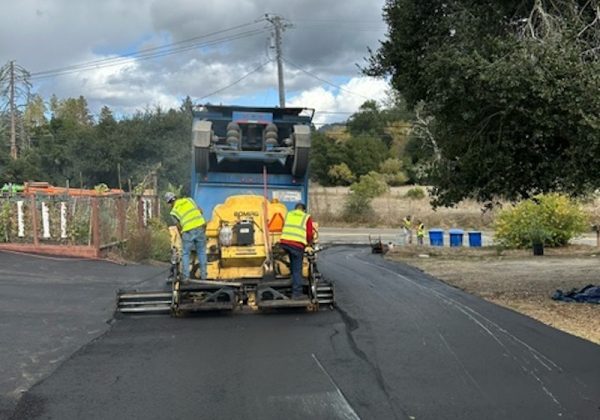
Asphalt patching and repair include services that restore a damaged driveway before it needs a complete replacement.
Patching is suitable for localized damage, like isolated cracks or sections of crumbled asphalt. For widespread problems like aging asphalt or drainage issues, you need asphalt repair.
Driveway damage doesn’t go away on its own. If you leave potholes unrepaired, they’ll continue to grow exponentially until you have no driveway, and they’ve become a safety risk for pedestrians and deep enough to do severe damage to your vehicle. Unless you want your driveway damage to worsen, you must hire a skilled team to repair it promptly.
Driveway repair is generally relatively quick. Pothole repair takes about 4-6 hours, while crack filling takes 2-3 hours.
No. We use hot mix asphalt from local quarries in Santa Cruz County.
When asphalt is properly poured and sealed, it’s less likely to develop cracks. However, any asphalt surface can crack under certain conditions.
Here are the most common causes of asphalt cracking:
Crack sealing provides many benefits for your driveway, roadway, or parking lot, including:
Early fall is the best time to complete a crack sealing project.
Unsealed cracks can widen and worsen in the winter, so it’s best to seal them up before this happens.
Spring can be a good time to seal asphalt cracks, too.
Because weather conditions are mild in spring and fall, the cracks won’t be fully open or fully closed. This will help you seal them properly so that they can withstand the harsh temperatures in summer and winter.
1. Route the Cracks
Asphalt cracks sometimes need to be routed, which involves grinding a channel along the length of the crack.
This creates a smooth and uniform space so that the sealant can spread evenly and fill the crack all the way to the bottom.
Generally, cracks up to 1 inch in width should be routed.
If the pavement is heavily cracked or distressed, however, routing may cause more damage.
2. Clean the Surface
Before applying sealant, you also need to remove dirt, grass, and other debris from the cracks. This allows the sealant to properly adhere to the pavement.
You can use compressed air to clean out the asphalt cracks.
3. Select the Sealant
There is a wide variety of sealants on the market that all have different properties.
Stiffer sealants may be better for driveways or parking lots. Flexible sealants are often used for roadways.
Climate is another consideration. If you live in a cooler region, you may need to use a flexible sealant to accommodate the movement of the pavement with the changing temperatures.
4. Gather Your Materials
To properly seal cracks in your asphalt, you need some specialized equipment.
First, you’ll need a melter to heat the asphalt to the correct temperature.
Melters come in different sizes and use different heating systems, so the right option for you depends on the size of the project and the type of sealant you’ll use.
You should also obtain a hose and a wand to apply the sealant to the pavement. You may need a variety of wand tips so that you can properly apply the sealant to cracks of differing widths or angles.
It’s helpful to have a squeegee to level out the sealant after applying it, too.
5. Heat the Sealant
When you’re ready to start filling the cracks, heat the sealant in the melter to the manufacturer’s recommendations.
Most types of sealant need to be heated to 380 to 410 degrees Fahrenheit.
If the sealant is too cool, it won’t adhere properly to the asphalt. If it’s too hot, it may degrade and lose its effectiveness.
Continue to monitor the temperature of the sealant as you complete the project.
6. Fill the Cracks
There are several different techniques for applying sealant to asphalt cracks. Two of the most commonly used methods are flush fill and overband.
Flush filling involves applying the sealant so that it’s flush with the pavement.
With the overband technique, the sealant fills the crack and forms a wider band over the top of the crack. This method is typically used when there’s deterioration on the edges of a crack.
Follow the instructions from the sealant’s manufacturer when applying the material.
Some manufacturers recommend you partially fill the crack with sealant, let it cool, and then finish filling it. Others suggest you apply the sealant all at once.
7. Let the Sealant Cure
Exposing the newly sealed pavement to traffic too early could affect the results of the project.
Check the manufacturer’s instructions to find out how long the sealant needs to cure.
Note: If your driveway is in need of only minor repairs, you could take on a DIY crack sealing project. However, proper crack sealing that will last for years requires the use of specialized equipment, such as a melter and router. Renting this equipment for a DIY project can be costly. It’s usually best to hire a professional for crack sealing because they have the right equipment and materials to deliver high-quality results. A paving expert can recommend the right type of sealant for your driveway and will follow best practices to ensure the sealant adheres correctly to the asphalt.
Crack filling is the application of filler into asphalt cracks to reduce water damage. It extends the lifespan of the pavement by one or two seasons, and it’s a budget-friendly repair option.
However, the crack filler will separate from the asphalt if the pavement moves, leaving the surface vulnerable to damage.
Therefore, it’s only recommended for cracks that experience little movement.
Crack sealing is a much longer-lasting repair. It’s more flexible and will continue to adhere to the asphalt even as the temperature changes and the pavement moves.