
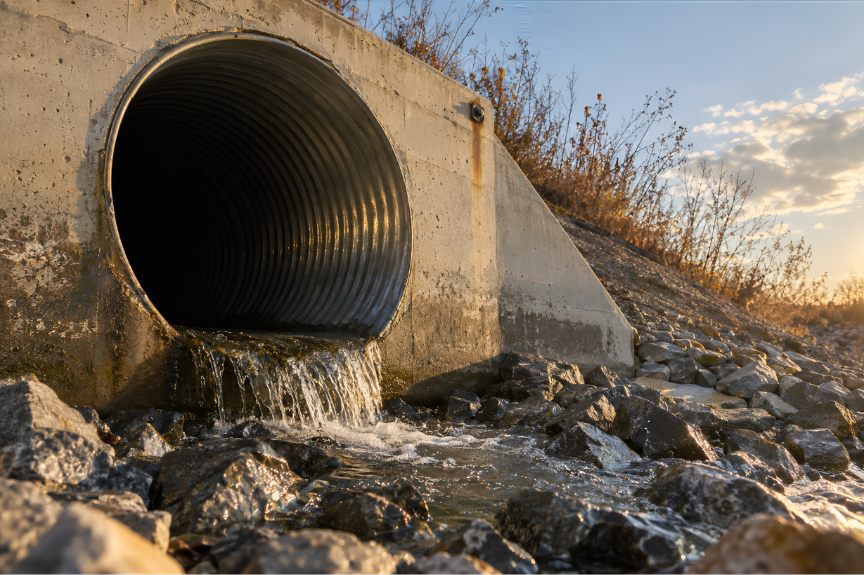
Culvert installation costs on California’s Central Coast depend on the size of the culvert, your site conditions, the type of pipe you choose, and how much stormwater the culvert needs to carry.
With more than 60 years of combined family experience in paving and underground work across the Central Coast, Betz Works helps property owners protect their roads and manage drainage issues.
In this guide, you’ll learn what affects culvert installation and replacement costs, what you can expect to pay, and how to plan your project.
Key Takeaways
- You’ll likely pay $250–$4,000 to repair or reline a culvert, $3,000–$8,000 to install a new one, and $3,000–$12,000 to replace one.
- Your project will cost more if you need a larger or longer pipe, if crews have to dig deep or through clay and rock to install the culvert, if your property sits on a steep slope or narrow road, or if you need permits to install a culvert.
- You can lower the cost of your culvert project by getting the pipe size right the first time, fixing minor damage to your existing culvert before it needs a full replacement, scheduling installation during the dry months, replacing your culvert at the same time you repave your driveway or private road, and hiring a local contractor, like Betz Works, with experience installing culverts on Central Coast properties.
How Much Does a Culvert Cost to Repair or Replace in Santa Cruz & Monterey Counties?
Based on the jobs we’ve completed across Santa Cruz and Monterey counties, the costs below give you a solid starting point for your budget.
Your final price will depend on the size and material of the pipe, how easily crews can reach your site, how much digging the job requires, and whether your driveway or road needs restoration after the culvert is repaired, replaced, or installed.
Project Type | Typical Cost Range |
New culvert installation | $3,000–8,000 |
Culvert replacement | $3,000–12,000 |
Culvert repair or relining | $250–4,000 |
What Affects the Costs of Culvert Installation?
Pipe Size and Length
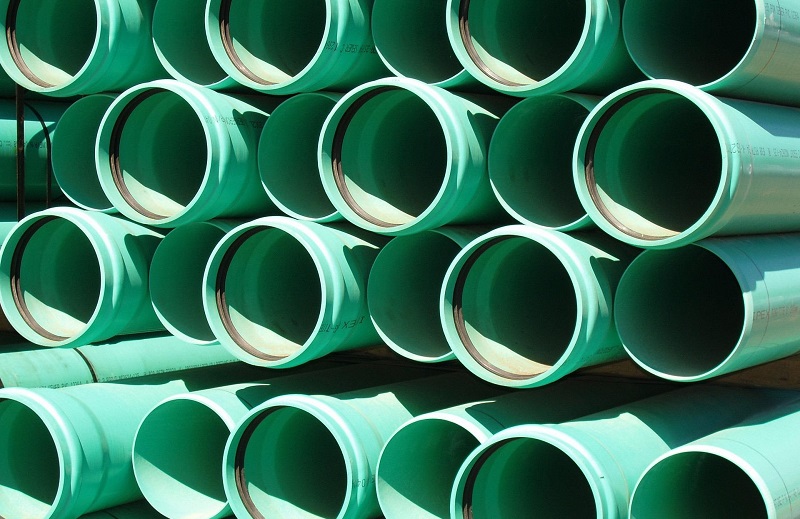
The length and diameter of your new culvert are two of the biggest factors when it comes to how much the project costs.
Installing larger pipes typically requires us to move more dirt, bring in larger pieces of equipment, and utilize more contractors. This increase in time and materials may be reflected in the price of the project.
Choosing the right size depends largely on how much water you need the culvert to handle. For instance, a 12” pipe cannot divert water as quickly as an 18” pipe. A pipe that’s too small can restrict water flow, causing backups, flooding, and erosion around your driveway or private road.
We’ll consider the current drainage conditions and how much water the area usually gets to help you decide what size pipe you need for your culvert.
Pipe Material
The material you choose affects both the upfront cost and how long your culvert should be reasonably expected to last.
The most common types of culverts are:
- Corrugated metal pipe (CMP)
- High-density polyethylene (HDPE)
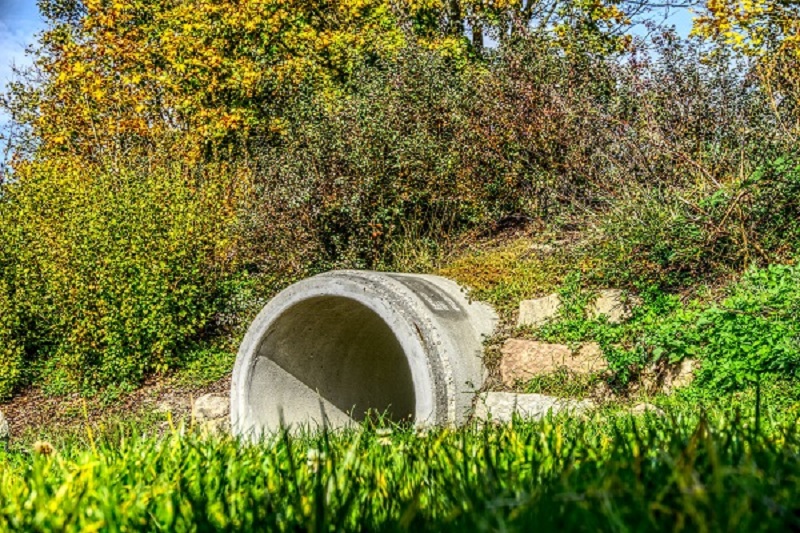
- Reinforced concrete pipe (RCP)
Your best option depends on your budget, soil conditions, and drainage needs.
You should also think about how much traffic will pass over the culvert since some materials are better suited to withstand constant traffic than others.
For example, reinforced concrete is stronger than corrugated metal, so if your culvert is in a high-traffic spot, you might want to go with the stronger option.
Material | Approximate Material Cost per Linear Foot | Typical Service Life |
Corrugated metal pipe (CMP) | $90–160 | 15–40 years |
HDPE plastic pipe | $75–170 | 75–100+ years |
Reinforced concrete pipe (RCP) | Varies by diameter; large-diameter public bid prices can exceed $350 per foot | About 75 years |
Excavation and Site Conditions
Typically, installing a new culvert includes excavating the old culvert along with the dirt and gravel surrounding it. Our team prepares the site by resolving any issues surrounding the slope and the sublayers. When the ground is ready, we install the new pipe and restore the ground surrounding it.
Our team must account for how deep they need to dig, what type of soil they’re digging into, how steep the surrounding ground is, and whether heavy equipment can reach the work area. Difficult excavation takes more time, requires additional equipment, and can increase labor costs because our team has to spend more time working in the area.
Moving dirt is only part of the process. We may need to remove and dispose of the damaged pipe, excavate around it, and repair the road or driveway surface above it.
Factors to consider include:
- Cover depth: A culvert buried beneath a deep layer of soil or an existing driveway requires more excavation and material removal.
- Clay or rocky soils: Dense clay, large rocks, and hard-packed ground can slow excavation and require specialized equipment.
- Steep slopes: Installing a culvert on hillside properties, like those in Scott’s Valley and Los Gatos, may require additional grading, slope stabilization, or erosion-control measures.
- Limited equipment access: Narrow mountain roads, such as those in Boulder Creek, tight driveways, and restricted work areas can make it harder to move excavators, trucks, and materials to the site.
These challenges are especially common in the Santa Cruz Mountains, where steep terrain and difficult soil conditions can complicate drainage. The conditions around your property may require additional excavation or stabilization before a contractor can install the culvert.
Permits and Engineering
If your culvert crosses a creek, stream, or other regulated waterway, you may need approvals from local, state, and federal agencies before construction begins. These requirements help protect water quality, fish and wildlife habitat, and natural water flow.
The permitting process has the potential to add direct expenses and significant lead time to your project. You may need to pay application fees, hire an engineer to prepare plans, arrange environmental reviews, or provide additional documentation.
Note: Betz Works can handle the entire permitting process for you as part of our comprehensive services, which include culvert installation, paving services, erosion control, underground utility services, and more.
How to Save on Your Culvert Project
1. Size the Culvert Correctly the First Time
Have a contractor evaluate the drainage area and expected stormwater volume before choosing a culvert diameter.
When we install a culvert that’s sized correctly for your property, it can carry the full volume of stormwater that flows through during heavy rain, which means you won’t have to worry about repairs or a replacement shortly after we install it.
2. Repair or Reline the Culvert When Possible
If the culvert has isolated cracks, damaged joints, or localized leaks but remains structurally sound, repairs are usually more affordable than replacing the whole pipe.
3. Schedule Work in the Dry Season
Santa Cruz County generally receives most of its rainfall between November and April, making late spring through early fall the typical dry season.
Installing a new culvert during the dry season can cut down on the amount of time required to excavate the ground, install the new pipe, and cover it back since we won’t have to deal with rain slowing us down.
4. Bundle Culvert Work With Driveway or Road Paving
If your driveway or private road needs repair, consider replacing or repairing the culvert before the paving work begins.
Scheduling excavation, pipe installation, grading, and paving together can save you some money since we won’t have to make multiple trips to your property.
5. Hire an Experienced Local Contractor
Choosing a local contractor with plenty of experience increases your chances of getting a culvert that can stand up to our area’s soil conditions and weather patterns.
They know which pipe sizes and materials hold up in our area’s clay soils and how much water to plan for during heavy winter storms.
Betz Works has spent more than six decades installing drainage systems, excavating sites, and paving driveways and roads across Santa Cruz and Monterey counties, so we know which culverts hold up here and can recommend the right size and material for your property from the start.
Trust Betz Works With Your Culvert Installation
The best time to deal with a culvert is before the next big storm tests it. Whether you need a quick repair or a full replacement, getting an expert to look at your site early helps you budget accurately and avoid emergency fixes in the middle of winter.
If you’re planning a culvert project in Santa Cruz or Monterey County, contact Betz Works for a free estimate: 831-400-8466
FAQ
Who pays for a driveway culvert: the property owner or the county?
In most cases, the property owner pays for a driveway culvert on private property. If your driveway connects to a public road, the county or city may own or maintain the roadside drainage system, but you may still be responsible for the culvert serving your driveway. Check with your local public works department before starting work, especially if the culvert sits within a public road right-of-way.
How do you know if your culvert needs replacing?
Look for signs that your culvert can no longer handle the amount of water you need it to move or has started to fail structurally.
Watch for these common warning signs:
- Standing water near the culvert
- Frequent blockages
- Erosion around the inlet or outlet
- Sinkholes
- Sagging sections of driveway or road
- Rust on the pipe
- Cracks in the pipe
- Crushed pipe sections
- Separated joints
If you notice these problems, have a contractor inspect the culvert before the damage spreads or causes a road failure.
Can I install a culvert myself?
You may be able to install a small driveway culvert yourself if you have the right equipment, experience, and permits.
Choose the correct diameter, establish the right slope, prepare and compact the base, and provide adequate cover to support vehicle traffic.
Because this work requires specialized skills and equipment, you’ll get better results by hiring a company like Betz Works.