

Without regular maintenance, your asphalt driveway breaks down faster than you think.
At Betz Works, we’ve spent decades maintaining asphalt driveways in Santa Cruz & Monterey Counties, and we know exactly how the local climate can take a toll on even the toughest surfaces.
In this guide, you will learn how to maintain your asphalt driveway, prevent damage, and avoid costly repairs.
Key Takeaways
- To keep your driveway in good condition, maintain it by cleaning it regularly, ensure proper drainage, seal cracks and potholes early, protect the edges, avoid parking heavy vehicles, sealcoat every 2-3 years, and address weather-related damage quickly.
- If DIY maintenance is not for you, Betz Works serves the Central Coast and South Bay Area with professional driveway maintenance, sealcoating, and repairs. Call us today: 831-400-8466
Why You Should Regularly Maintain Your Driveway
- Extend your driveway’s lifespan: With proper care, an asphalt pavement typically lasts about 15 to 25 years, but if you skip regular upkeep, it might not even last a decade.
- Save money on repairs: If you neglect small issues now, prepare for bigger and more disruptive work later on. For every dollar you spend on driveway maintenance now, you can save between $6 and $10 in repair expenses in the future.
- Prevent water damage: Moisture is one of your driveway’s biggest enemies if you live on the Central Coast. When it gets into the pavement, it weakens the structure, causing cracks and rutting in its layers. If you seal cracks early and apply sealcoat regularly, you will keep water out before it has a chance to damage your driveway.
- Improve safety: An uneven surface increases the risk of tripping and falling for those walking on it. At the same time, it can also cause vehicles to jolt or lose speed suddenly, potentially leading to accidents on the road. If you keep your driveway smooth, you remove these hazards before they lead to an accident or injury.
- Protect your vehicle: Every time you drive over cracked or uneven asphalt, you’re putting extra strain on your tires and suspension, which can lead to more frequent visits to the mechanic. Keep your driveway smooth and free of cracks and potholes, and you’ll put significantly less wear on your car every time you use it.
The bottom line is: if you regularly maintain your asphalt driveway, you’ll save time, money, and avoid costly repairs down the road.
Steps for Asphalt Driveway Maintenance
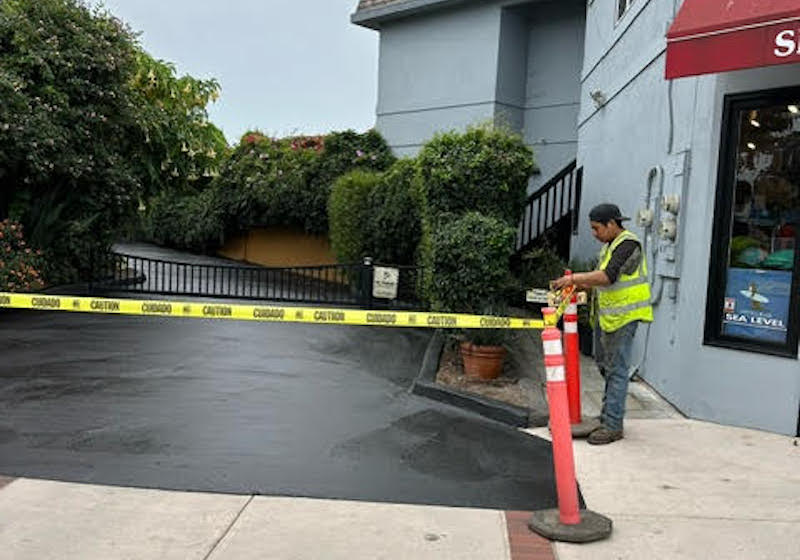
1. Keep the Surface Clean and Vegetation Under Control
Routine cleaning is one of the simplest and most effective ways to extend the life of your asphalt driveway:
- Sweep your driveway at least once a month to remove dirt, leaves, and debris that trap moisture and speed up deterioration.
- Wash it annually with a pressure washer to remove grime and buildup.
- Clean oil and gasoline spills immediately using absorbent material and an asphalt-safe cleaner, since petroleum products break down the binder that holds asphalt together.
- Remove weeds as soon as they appear. Weed roots force cracks wider and allow water to penetrate beneath the surface, leading to structural damage over time.
2. Ensure Proper Drainage
Without proper drainage, water will seep into your asphalt and break it down from underneath, weakening the base and causing cracks, potholes, or sinking.
This is especially important if you live along the Central Coast, where steady winter rains can quickly cause drainage issues and weaken the base beneath your driveway.
Your driveway should slope 1–2% away from your home or garage so rainwater flows off instead of soaking underneath.
Check for low spots where water pools and have them filled and re-leveled.
Make sure gutters and downspouts direct water away from the driveway, not onto it.
3. Seal Cracks and Patch Small Damage Early
Inspect your driveway regularly for cracks and small potholes, as these may turn into major structural problems if you don’t address them.
Coastal temperature swings and winter rainfall, combined with damp ocean air in areas like Aptos and Capitola, can cause small cracks to expand quickly.
Clean out cracks under ½ inch wide and seal them before water can seep in and expand the damage.
Patch small potholes promptly with cold-patch asphalt.
4. Protect Driveway Edges and Avoid Parking Heavy Vehicles
Driveway edges are especially vulnerable to cracking and crumbling.
Avoid driving or parking on the edges, and make sure they’re properly supported with soil or aggregate backfill if needed.
Limit long-term parking of heavy vehicles, RVs, boats, or dumpsters, as excess weight can cause rutting and indentations, especially in hot weather when asphalt softens and becomes more prone to permanent depressions.
5. Sealcoat Regularly
Routine sealcoating significantly extends the life of your asphalt driveway.
Apply a sealcoat every two to three years to protect against UV rays, moisture, oil spills, and daily wear.
If you have a new driveway, you should sealcoat it within 90 days to one year after installation.
6. Protect Your Driveway from Weather Damage
Intense sun exposure, heavy winter rains, and powerful atmospheric rivers along the Central Coast and South Bay can wear down your asphalt faster than you expect.
Take action as soon as severe weather hits:
- During heavy storms or atmospheric river events, remove standing water immediately using sandbags, squeegees, or pumps to prevent erosion and base damage.
- Watch for pooling water after rain, especially in low-lying areas like Santa Cruz County, where saturated soil can weaken the driveway’s foundation.
- In colder inland areas or higher elevations, such as Scotts Valley or the Santa Cruz Mountains, inspect your driveway after frosty mornings and seal any new cracks promptly to prevent moisture from expanding and worsening the damage.
- Use only asphalt-safe de-icers if needed, and avoid harsh chemicals or metal tools that can damage the pavement.
7. Repair Structural Damage Immediately
If you notice any of the following warning signs of structural damage, take action right away:
- Widespread cracking across the surface
- Deep potholes
- Sinking or uneven sections
- Rutting caused by heavy vehicles
- Soft or unstable areas
- A developing sinkhole
These are clear signs that the base underneath your driveway may be compromised.
At this stage, you need to hire a professional paving contractor to restore your driveway.
Contact Betz Works for a professional inspection and driveway repairs to protect your driveway before the damage spreads.
Tips for Maintaining a New Asphalt Driveway
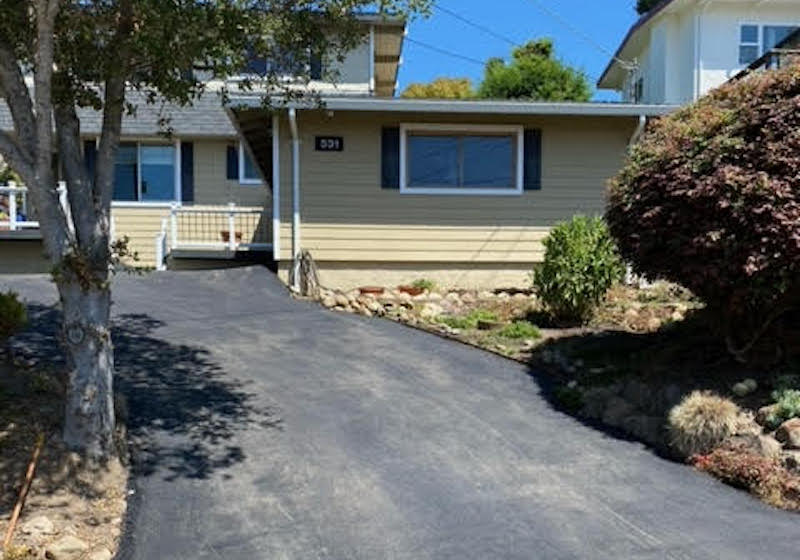
If your driveway was just installed, it requires specific care during the first year to ensure it cures properly and reaches its full lifespan:
- Stay off the surface for the first 24 hours. Keep all vehicles, bicycles, and foot traffic off the driveway to allow it to set properly. Use caution tape or temporary barricades to prevent accidental damage.
- Avoid heavy vehicles for the first few months. New asphalt continues to harden over time, so limit parking of RVs, boats, delivery trucks, or dumpsters to prevent indentations.
- Be careful with sharp turns. Avoid turning your steering wheel while your vehicle is stopped, especially in hot weather, as this can scuff or twist the soft surface.
- Keep the driveway clean. Remove debris regularly and clean oil or gasoline spills immediately to protect the asphalt binder.
- Wait before sealcoating. Allow your new driveway to cure for 90 days to one year before applying the first sealcoat, depending on climate and usage.
- Protect it during hot weather. Avoid placing kickstands, ladders, or narrow objects directly on the surface when temperatures are high, as softened asphalt can dent.
- Monitor for early issues. Watch for small cracks or drainage concerns and address them quickly to prevent long-term damage.
How to Maintain Your Driveway in Different Seasons
Weather changes affect how the asphalt behaves, so adjust the maintenance procedure according to the season.
Spring
Spring marks the end of the heavy rainfall season on the Central Coast. The warmer, drier days of March and April make it the ideal window for most driveway maintenance projects.
In inland areas like the Salinas Valley, the dry season starts earlier than on the coast, so you can start your maintenance even sooner.
Here are some key things you should do:
- Clear away the moss, dirt, and debris that have built up on your driveway during the wet months
- Seal cracks that formed as rainwater leaked under the surface
- Fill potholes that developed from poor drainage and repeated freeze-thaw cycles
Summer
A mild Central Coast summer is the perfect time for sealcoating, as the temperatures allow you to work with materials without them drying too fast.
Takes advantage of the foggy morning in coastal cities like Pacific Grove and Pebble Beach. The fog keeps the surface cool and slightly damp, which slows the drying of sealcoat and patching compounds, giving you more working time for a smoother, more even application.
Fall
From late October onward, the weather becomes gradually wetter, especially in the Northern part of the Central Coast.
This is the last reliable window to sealcoat your driveway and repair cracks before the rainy season begins.
Pro tip: Don’t forget to clean the driveway regularly once leaves start to fall, as organic debris can trap moisture and speed up damage.
Winter
Around ¾ of California’s annual rainfall happens between November and March.
It means your driveway will be exposed to moisture longer.
Avoid applying asphalt patching compound or sealcoat during the rainy season – neither bonds properly to a wet surface.
Instead, use this time to inspect for new cracks and plan for maintenance in early spring.
When Should I Call a Paving Contractor?
You can fix minor issues yourself, but you should hire a professional driveway paving contractor like Betz Works if you notice:
- Water pooling on your driveway: If you regularly notice standing water on your driveway, it likely has a slope or grading problem. If you ignore it, the water will seep into the asphalt, accelerate cracks and potholes, and cause structural damage. A professional contractor can regrade the surface and restore proper drainage before the damage spreads.
- Deep, spreading cracks across the asphalt surface: Simple patches only fix the surface cracks, but potholes on your driveway indicate the issue comes from deeper underneath, which means the contractor needs to remove and rebuild the whole sections of the asphalt.
- The asphalt surface is very uneven: In this case, you need to resurface your driveway, and without professional equipment, getting a smooth, even finish is nearly impossible.
- Damage covers a large portion of your driveway: If you’re seeing cracks, potholes, and surface deterioration across more than half of the pavement, patching individual spots will only cost you more in the long run. At that point, you will need a paving contractor to resurface or replace the whole driveway.
Need Professional Driveway Maintenance? We Can Help!
Stay on top of maintenance and repairs, and your asphalt driveway will last for decades.
At Betz Works, we provide driveway maintenance, sealcoating, and repair services across Santa Cruz, Watsonville, Soquel, Capitola, Aptos, and surrounding Central Coast and South Bay communities to keep your asphalt in top condition.
Contact us today for a professional inspection and free estimate: 831-400-8466
FAQ
How often do I need to maintain my asphalt driveway?
How often you maintain your asphalt depends on your climate, traffic levels, and the quality of installation.
Inspect your driveway at least once a year and address minor repairs as soon as you spot them.
Sealcoat every two to three years to protect the asphalt and extend its lifespan.
Clean your driveway regularly and fix small cracks early to prevent bigger problems and save money down the road.
What happens if I don’t seal asphalt?
If asphalt is not properly sealed, it is susceptible to damage from various elements.
Unsealed asphalt can undergo oxidation, which causes it to become brittle and develop cracks.
Water can seep into these cracks and, under varying temperatures, expand and contract, leading to larger fissures and even potholes.
Additionally, oils and other chemicals can penetrate unsealed asphalt, further degrading the integrity of the surface.
Over time, this leads to increased maintenance costs and a shorter lifespan for the pavement.
What affects asphalt durability?
Asphalt durability can be influenced by several factors, including the quality of the asphalt mix, the environment, and the level of traffic exposure.
High-quality asphalt mixes with appropriate binders can resist weather-related damage and heavy loads.
Along California’s Central Coast, your driveway is exposed to intense UV sun, heavy winter rains, coastal moisture, and occasional atmospheric rivers, all of which can cause asphalt to break down faster.
Additionally, constant heavy traffic can cause wear and tear, leading to rutting, cracking, and other forms of distress.
Your asphalt will last much longer when it is installed properly and maintained on a regular schedule.
Why does asphalt crack over time?
The bitumen, which acts as a glue in asphalt, dries out from the sun, heat, UV exposure, moisture, and temperature oscillations. Over time, this causes it to become brittle and eventually crack.
Why did my asphalt change color from black to gray?
Sunlight and air cause the oils in bitumen to break down and oxidise, causing the color to turn gray.