
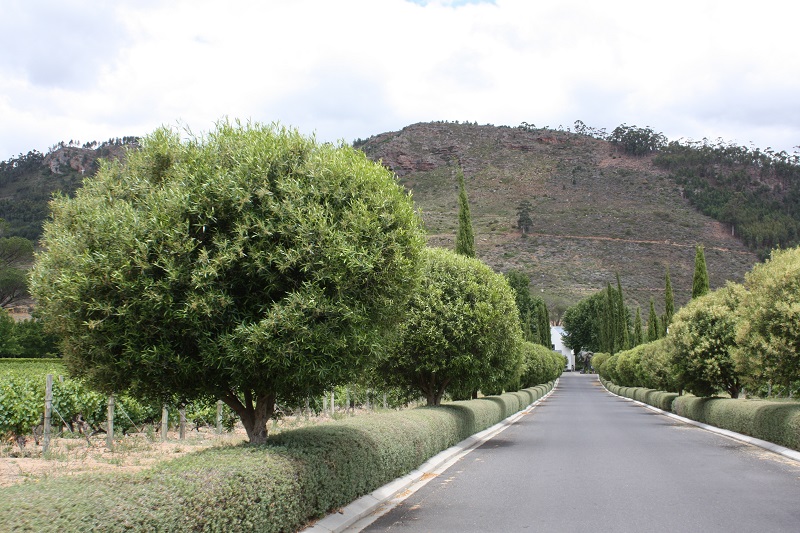
Maintaining a private road in the Santa Cruz Mountains can be challenging, especially in areas like Boulder Creek, Felton, and Scotts Valley, where steep terrain, heavy winter rains, and erosion can lead to potholes, washouts, and drainage problems.
At Betz Works, we’ve spent more than 60 years working with the terrain and weather conditions of Santa Cruz County, so we understand the maintenance challenges local property owners face.
In this guide, we’ll explain who’s responsible for private road maintenance, how to keep your road in good shape, and when to arrange professional repairs.
Key Takeaways
- Maintaining private roads and shared driveways in Santa Cruz County requires special care, thanks largely to coastal climate patterns that may affect the pavement.
- Responsibility for maintaining shared driveways and private roads depends on property ownership, easement agreements, and recorded road maintenance contracts.
- Betz Works is the trusted source for private road maintenance in Santa Cruz County, offering more than 60 years of experience.
Who Is Responsible for Maintaining Private Roads in Santa Cruz County?
Several factors go into determining who is responsible for maintaining private roads in Santa Cruz County, including:
- Who owns the property
- How neighboring properties access the road
- Whether there is a written road maintenance agreement
A written road maintenance agreement may help clarify exactly how repair and maintenance expenses are divided, which repairs are covered, and how decisions are made.
If no agreement exists, property owners may need to review their property deeds, recorded easements, and other relevant documents to determine what they’re responsible for.
When There Is a Road Maintenance Agreement
A private road maintenance agreement is a written document that outlines how property owners share responsibility for maintaining a private road or driveway. This document may establish how costs are divided, which maintenance tasks are covered, and how decisions about repairs are made.
In Santa Cruz County, these agreements become especially useful for homeowners who depend on shared mountain roads and need a clear plan for addressing drainage issues, pavement damage, and erosion.
Agreements typically explain how owners contribute to routine expenses, such as grading, pothole repairs, and drainage maintenance, as well as larger projects like repaving or replacing damaged culverts.
California Civil Code § 845 recognizes agreements between property owners for dividing private right-of-way maintenance costs and provides a proportional-use standard when there is no agreement in place.
A road association or a representative designated by a homeowner or group of homeowners may coordinate inspections, collect contributions, obtain contractor estimates, and schedule approved work.
The agreement may also specify whether owners must vote on proposed repairs or authorize major expenses above a certain amount.
Before arranging road maintenance, review the agreement to understand approval requirements, spending limits, and each owner’s obligations.
When There Is No Road Maintenance Agreement
When a private road serves multiple properties, but there is no written maintenance agreement, California Civil Code § 845 offers a framework for sharing the cost of keeping a private road in good condition.
Under the law, when an easement serves properties under different ownership, maintenance costs are shared in proportion to each owner’s use of the easement unless an agreement establishes another arrangement.
This does not automatically mean every homeowner pays the same amount; the appropriate share depends on the circumstances and how the easement is used.
Without a written agreement, neighbors may disagree about which repairs are necessary, which contractor to hire, or how to divide costs.
If a property owner refuses to pay their legal share of road maintenance or repairs, you might be able to seek payment under California Civil Code § 845. State law requires you to make a written request before pursuing legal action. If a written notice doesn’t work, you may be able to take the matter to court.
Note: Remember that the law generally only covers the cost of keeping the road in “working condition,” which means optional upgrades are typically not covered. For instance, you might be able to seek contributions for pothole or drainage repairs, but not for widening the road or adding another paved section that isn’t necessary.
How to Maintain a Private Road in the Santa Cruz Mountains
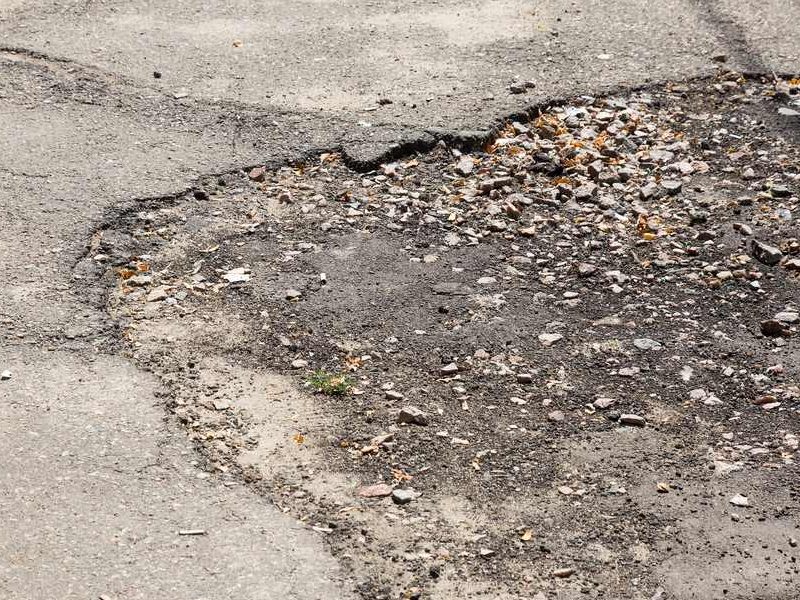
If you own a home in the Santa Cruz Mountains, steep roads, heavy winter rains, and hillside runoff can quickly damage your private road or shared driveway. Regular maintenance helps control erosion, protect the road surface, and keep your property accessible year-round.
Here are some practical steps you can take to keep your road in good condition and prevent costly repairs:
Inspect and Repair Early Signs of Road Damage
Regular road inspections help you identify damage before it turns into a larger repair.
Walk or drive the road periodically, paying particular attention to steep sections, curves, drainage crossings, and areas where water tends to collect.
Look for:
- cracks in asphalt
- potholes,
- uneven surfaces
- loose material
- soft spots
These signs may indicate that water has weakened the layers beneath the road. Small asphalt cracks allow rainwater to seep into the base, where it can weaken the road’s foundation. As vehicles continue driving over these areas, cracks can grow into potholes and uneven sections.
Check the road shoulders for erosion or washed-out soil, and repair minor cracks with crack filler or sealant before they worsen. You can also patch small potholes, but recurring potholes, sinking areas, or unstable sections may require a professional to repair damage to the road base.
Pro tip: Inspect your private road before the rainy season and again after major storms, once conditions are safe. Take photos of problem areas and keep track of damage that spreads or returns after repairs.
Maintain Drainage Systems and Culverts
Ensuring that you have proper drainage in place is one of the most important parts of caring for your private road.
When water cannot flow away from the road, it can saturate the underlying soil, weaken the road base, and carry gravel away. Over time, these problems can lead to potholes, washouts, erosion, and costly structural repairs.
You should regularly clear leaves, sediment, and debris from roadside ditches and culvert openings, making sure that water can pass through without obstruction.
Pro tip: Pay special attention to areas where water seems to pool after every storm. Standing water can seep into cracks in the road, weaken its foundation, and lead to worsening cracks and potholes. Knowing where the water is coming from and where it can be safely directed to is an important part of caring for your private road.
Grade and Maintain Gravel Roads
Unpaved roads are especially vulnerable to rutting, washboarding, and erosion. These problems become especially noticeable when heavy vehicles create additional ruts.
As water flows through tire tracks instead of into ditches or culverts, potholes typically become even more pronounced.
Regrading may be necessary when ruts deepen, washboarding develops, or the road loses the shape needed to shed water. The process redistributes existing material to restore a smoother surface and proper drainage.
Keep in mind that grading alone won’t fix problems caused by insufficient drainage or an unstable base. To fix these issues, you may need to clear or repair culverts and ditches to improve drainage, or have the road base rebuilt and compacted before regrading.
Control Vegetation and Keep Access Roads Clear
Grass, brush, and fallen leaves along your private road can clog ditches and culverts, prevent rainwater from draining properly, and obstruct drivers’ visibility. As tree roots grow beneath the road, they can push against the soil and gravel under the pavement, causing the asphalt to shift and crack.
Regularly trim vegetation that’s growing over the sides of your road, remove debris from drainage paths, and monitor trees near road edges for signs of instability.
Pro tip: Before removing trees or cutting roots near your road, keep in mind that they help hold the soil in place. Removing vegetation on a steep slope might increase erosion and destabilize your road, especially when our area gets extended periods of heavy rain. Consult a certified arborist before removing large trees or cutting roots near your road.
When Should You Hire a Professional Contractor for Private Road Maintenance?

You can handle some private road maintenance yourself, but issues like recurring potholes, drainage problems, or significant erosion often require professional repairs.
Consider hiring a professional paving contractor if you notice:
- Recurring potholes: Potholes that keep returning may indicate problems with the road’s base or drainage.
- Significant erosion: Washed-out road edges or shifting soil can affect the stability of the road.
- Failing culverts: Damaged or blocked culverts can cause water to collect or flow underneath the road.
- Sinkholes and unstable road surfaces: Sinking or collapsing areas, soft spots, deep ruts, and uneven surfaces may indicate erosion or unstable soil beneath the road.
- Widespread pavement damage: Extensive cracking or deterioration may require resurfacing or repaving rather than small repairs.
Professional repairs address more than the visible damage. Proper grading, compaction, and drainage help create a stable road that can withstand regular traffic and seasonal rainfall.
For larger projects, you may also need grading, drainage, or other permits from Santa Cruz County. When choosing a contractor, ask about their experience with private mountain roads, recommended repair methods, drainage solutions, costs, and permitting requirements.
Betz Works works with property owners throughout Santa Cruz County on private road and shared driveway projects. Depending on the road’s condition, our team can help with asphalt repairs, paving, grading, and drainage improvements, as well as obtaining permits for projects.
Let Betz Works Keep Your Private Road in Good Shape Year-Round
Keeping your private road in good condition is especially important in the Santa Cruz Mountains, where heavy seasonal rainfall and erosion can lead to costly damage.
By understanding your maintenance responsibilities and planning repairs before the rainy season, you can avoid unexpected expenses and keep your road accessible year-round.
At Betz Works, we have more than 60 years of combined family experience paving and maintaining driveways across Santa Cruz County, and we understand the challenges of keeping local roads in good condition. From grading and drainage improvements to pavement repairs, our team can help you identify the right maintenance solutions for your property.
Contact us for private road and driveway maintenance services and keep your road in good shape year-round: 831-400-8466
FAQ
How often should private roads be maintained?
Inspect private roads at least a few times a year, especially before the rainy season and after major storms. Clear drainage systems regularly and address potholes, cracks, erosion, and other damage as soon as possible. The best maintenance schedule depends on road conditions, traffic, terrain, and surface material.
How much does private road maintenance cost in the Santa Cruz Mountains?
Costs vary depending on the road’s length, surface material, slope, drainage, and the extent of the road’s damage. Minor pothole repairs usually cost far less than grading, drainage improvements, or extensive repaving. A professional estimate can help determine the work needed and its cost.
How do I know if my road is public or private?
Check Santa Cruz County property and road records, recorded maps, and your property documents to determine who owns the roadway. A road’s public accessibility does not necessarily mean it is publicly maintained.
What’s the difference between a private road and a shared driveway?
A private road generally provides access to multiple properties and is maintained by private owners or an association, not a public agency. A shared driveway typically serves two or more properties through a common access route. The distinction can depend on ownership, recorded easements, and how the access is legally established.